Tree Removal Permits in Evansville, Indiana: What to Check Before You Cut
For many Evansville homeowners, removing a tree that stands fully on your own private property is your decision to make.
For many Evansville homeowners, removing a tree that stands fully on your own private property is your decision to make.
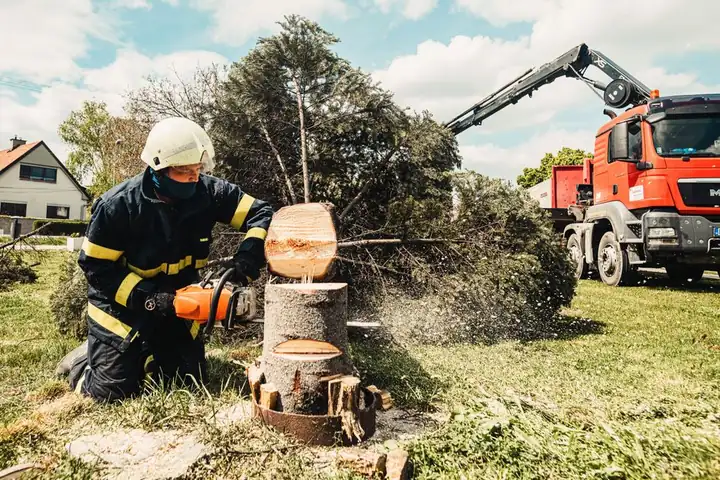
The cost of removing a tree is driven mainly by five things: how big the tree is, what condition it is in, where it stands and how hard it is to reach, how much risk surrounds the work, and exactly what the job includes beyond the cut itself.
A dead tree has no living tissue left: its twigs snap instead of bending, the layer under its bark is brown and dry, and it produces no buds, leaves, or new growth.
A tree that starts leaning suddenly has usually lost support underground: storm winds working on rain-soaked soil, root rot, or cut and damaged roots have let the root plate shift.
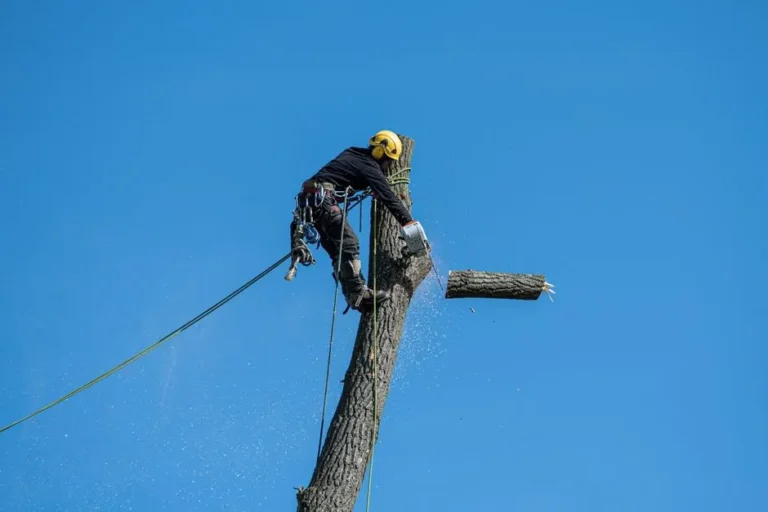
Professional tree removal works by taking the tree apart in controlled pieces rather than simply cutting it down. A crew first assesses the tree and everything around it, sets up a protected work zone, then removes branches and trunk sections in order, lowering each piece on ropes when there is.
A tree usually needs to be removed when it is dead, dying beyond recovery, structurally unsound, leaning toward a home or driveway, or damaging property with its roots or falling limbs.