
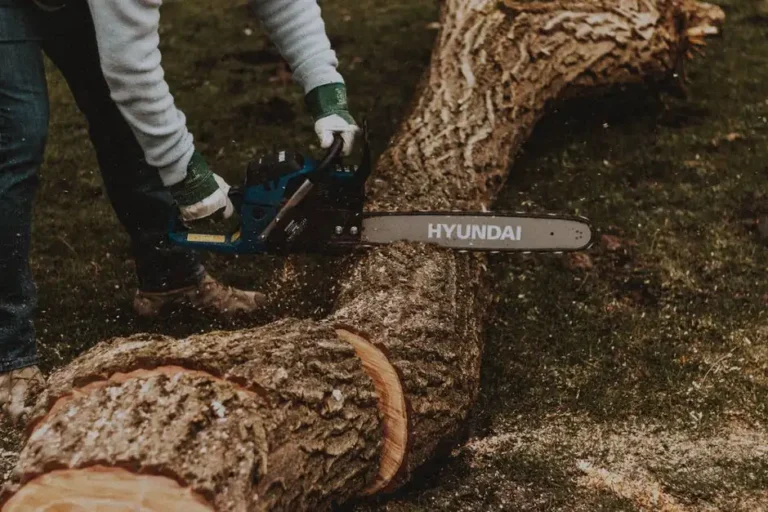
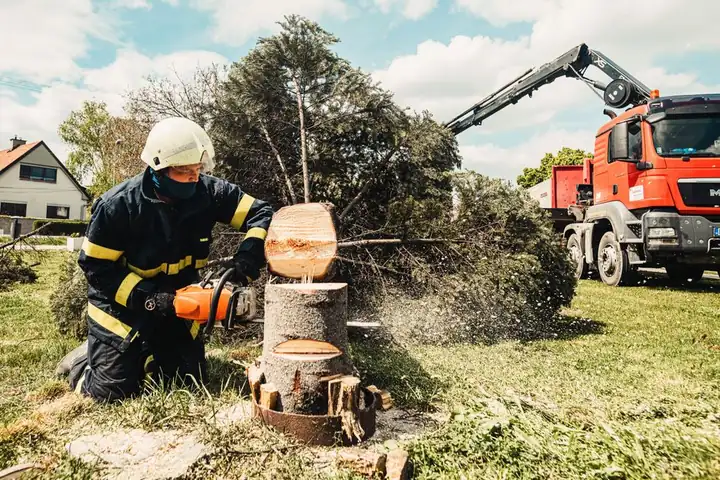
The cost of removing a tree is driven mainly by five things: how big the tree is, what condition it is in, where it stands and how hard it is to reach, how much risk surrounds the work, and exactly what the job includes beyond the cut itself. That is why two trees on the same street can carry very different estimates, and why a number quoted without a site visit guesses at the factors that matter most. Understanding them puts you in charge of comparing estimates like for like.
Here is each factor, and how to use it when quotes land in your inbox.
Height and trunk diameter set the scale of everything else. A tall tree means more climbing or lift time, more sections to cut and lower, more brush to chip, and more wood to move. A broad, heavy hardwood such as an oak carries far more weight per section than a slim softwood of the same height, and weight is what governs how small the pieces must be and how the rigging is set.
Species plays a quieter role too. Brittle species and trees with sprawling, multi-stem forms take extra care to dismantle in the right order. When you read an estimate, the size line is rarely where companies disagree; the differences show up in the factors below.
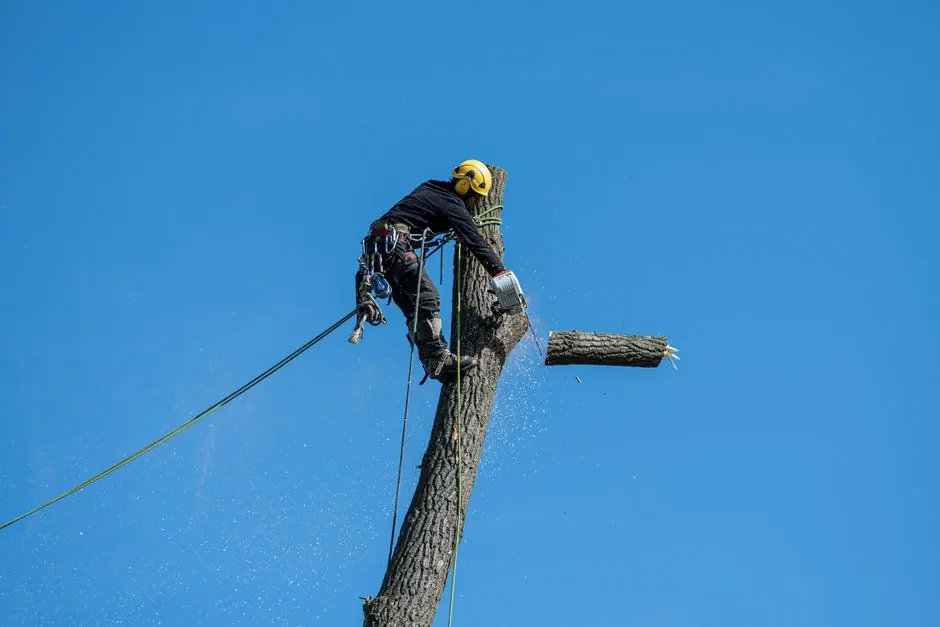
A sound, living tree is predictable. It holds climbing equipment, takes rigging loads, and comes apart in the order the crew chooses. A dead or decayed tree is the opposite: its wood may not support a climber at all, sections can break unpredictably, and the crew may need a lift and slower, smaller cuts to keep every piece controlled. A leaning tree, or one with storm damage and hanging limbs under tension, adds the same kind of caution.
This is why tree removal for a long-dead tree beside a house can cost more than removing a healthy, larger tree in open ground. You are not paying for the tree’s size alone; you are paying for the crew’s ability to take it down without anything going wrong.
Access quietly shapes every estimate. A front-yard tree with street parking and a clear drop zone is straightforward work. A backyard tree behind a narrow gate, down a slope, or hemmed in by a pool, a shed, and the neighbor’s fence is a slower job: equipment may not reach it, every piece may have to be lowered and carried out by hand, and protecting the structures below takes extra rigging on nearly every cut.
What is underneath matters as much as what is around. Trees overhanging roofs, greenhouses, fences, or utility lines leave no room for dropped pieces, so the crew rigs and lowers almost everything. The more that must be caught on a rope instead of dropped to open lawn, the more labor the job honestly requires.
Removal ends at the stump only if that is what the estimate says. Many homeowners are surprised to learn that taking the tree down and dealing with the stump are separate scopes. Adding stump grinding to the job extends the visit with different equipment and cleanup of the grindings, and leaving the stump avoids that step entirely.
The wood is a second scope decision. Hauling logs and chipped brush away costs the crew time and disposal effort, while leaving firewood rounds stacked by the garage removes that haul from the job. Chipping brush on site, raking, and blowing the area tidy are also line items in spirit, even when they are bundled. Two estimates can differ sharply for no other reason than that one includes the full finish and the other leaves you a weekend of hauling.
Work that has to happen immediately, in difficult weather, or outside ordinary hours asks more of a crew than a job that can be scheduled into a normal week, and estimates reflect that. A storm-damaged tree resting on a roof is also simply harder work than the same tree standing upright.
On the saving side, combining work is the most reliable lever a homeowner controls. Removing a second problem tree during the same visit, or adding pruning you already planned, spreads the crew’s travel, setup, and cleanup across more work. Ask how the estimate changes if related items are bundled; the answer is often more favorable than booking each job on its own trip.
If any line is vague, ask for it in plain words before you agree. A careful company expects those questions, and our guide to how to compare tree service estimates walks through side-by-side comparisons in more detail.
Because companies scope the job differently and read its risks differently. One estimate may include stump grinding, hauling, and full cleanup while another covers only the takedown, and a crew that plans to rig every piece over your roof will quote differently from one planning to drop sections. Compare written scopes line by line, factor by factor, instead of comparing totals, and the gap usually explains itself.
Only when the estimate says so. Grinding uses separate equipment and its own cleanup step, so many companies list it as its own line or leave the stump if the homeowner prefers. Neither approach is wrong, but you should never assume it is included. Check the written scope, and if the stump matters to your plans for the space, get its handling confirmed before the crew is booked.
It can, because hauling logs away is real work that disappears from the job when the wood stays with you. If you heat with wood or have a use for it, ask that the rounds be cut to a workable length and stacked where you want them, and confirm that arrangement in writing. If you have no use for the wood, full hauling keeps your yard clear without arranging disposal yourself.
Not always, because a low figure sometimes reflects a narrow scope, thin insurance, or a plan to drop pieces that another crew would rig and lower carefully. Value sits in the combination of a complete written scope, documented insurance, and a method that protects your home. Paying attention to those items protects you from the kind of surprise that turns an apparent bargain into the most expensive option.
Once you know the factors, a fair estimate is simply those factors applied to your tree, in writing. We will visit, assess size, condition, access, and risk, and spell out exactly what the job includes — stump, wood, and cleanup — before you commit to anything. Call (844) 542-2293 to request your assessment and walk the yard with us.