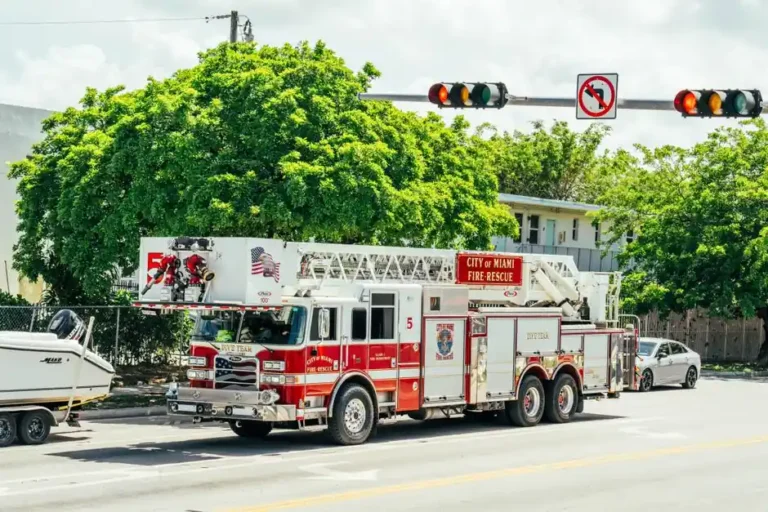
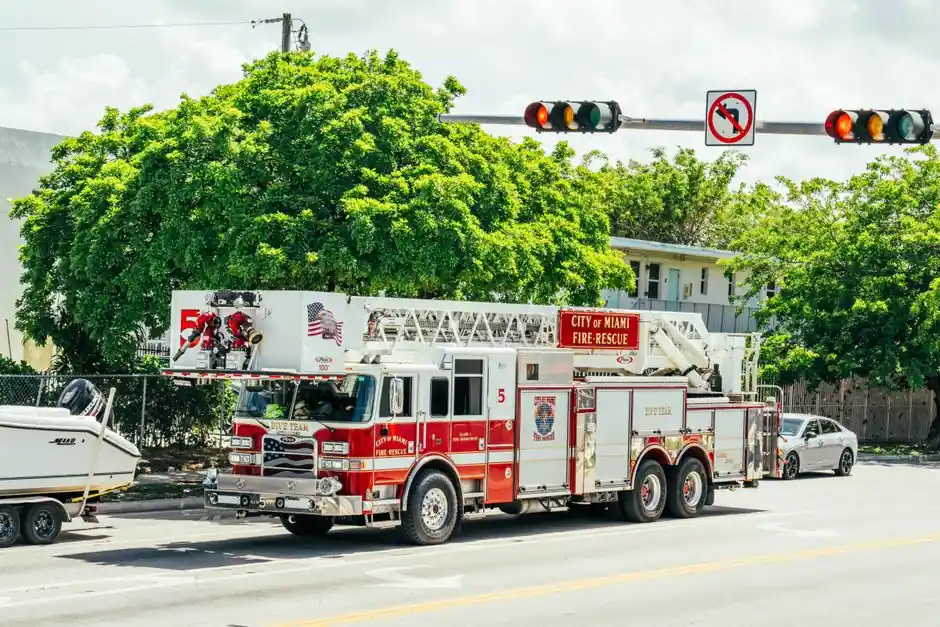
If a tree is on a power line, treat every wire as live and stay far away. Move people and pets back at least the length of the fallen span, call 911 if there is fire, arcing, or a line on the ground, and call your electric utility to report the damage. Never touch the tree, the line, or anything touching them, and never try to cut or pull the tree loose yourself. Electricity can travel through wood, wet ground, fences, and the tree itself without any visible sign.
A tree resting on a roof is dangerous. A tree resting on a power line is dangerous in a way you cannot see, judge, or test. Lines can be energized even when they are silent, still, and showing no sparks. A line can also be re-energized automatically by utility equipment while you watch, turning a quiet scene back into a live one without warning.
Fresh wood, sap, and wet bark all conduct electricity far better than dry lumber. Rain-soaked ground spreads the hazard further: current leaking from a downed line can energize the soil around it, which is why shuffling small steps, rather than striding, is the standard advice if you ever find yourself unexpectedly close to a fallen line. Back away slowly with feet close together until you are well clear.
Homeowners sometimes assume the thick line from the pole to their roof is harmless because it belongs to the house. It is not harmless. The service drop carries full household current and more, and a tree leaning on it can pull the mast loose, damage the meter base, and energize parts of the home’s system. Treat it with the same distance and the same phone calls as a pole line.
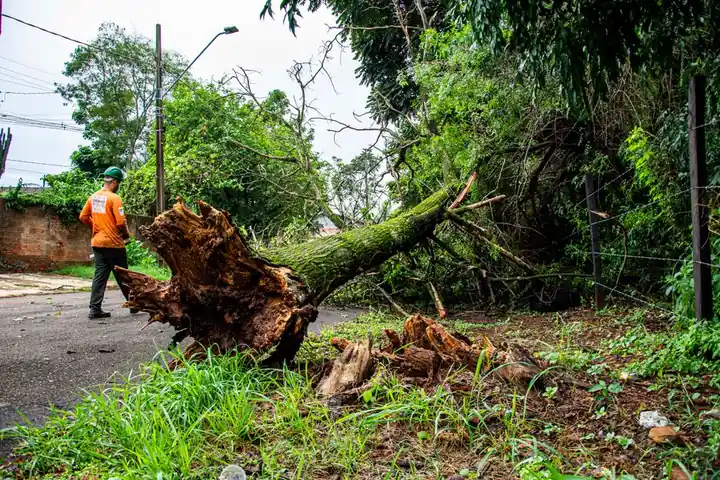
The utility may drop, isolate, or ground the affected lines and remove the section of tree that threatens their equipment, or they may clear the area for a tree crew to work. The tree crew then removes the remaining wood in controlled pieces, watching for stored tension where the tree bent against the line. If the tree also damaged your roof or landed across structures, the sequence in what to do when a tree falls on your house walks through the documentation and insurance steps in order.
Most line strikes come from trees that were already leaning, dead, or overgrown into the corridor. A few habits reduce the odds:
You can also prepare the rest of your property using the same ground-level habits in our post-storm guide, and see all of the areas we cover on our Evansville service locations page.
Stay at least 35 feet away, and farther if lines are on the ground or the ground is wet. Distance is your only reliable protection, because you cannot tell by looking whether a line is energized. Keep children and pets inside, warn neighbors from a distance, and let the utility set the safe boundary when they arrive on the scene.
No, you should never cut branches touching a line, even during an outage. A line can be energized from another source, or re-energized automatically without warning, and a branch in contact with it can carry that current to you. Wait for the utility to confirm the line is de-energized and grounded, and leave all cutting near lines to crews working under that clearance.
Both often play a part, in sequence. The utility is responsible for its lines and typically makes the electrical situation safe, sometimes removing wood that directly threatens the line. The rest of the tree, including wood on your roof, in your yard, or on your own service drop, is normally the homeowner’s job to have removed by a tree service once the utility has cleared the scene.
Report it and have it assessed promptly. A leaning tree near a line is an emergency in the making, especially in saturated soil or rising wind, and utilities would rather hear about it before it falls. Do not attempt to rope, pull, or cut it yourself, because a tree under lean carries stored energy that can move it in unexpected directions, including into the line.
If the line is involved, the safest tool you own is your phone. For the tree work that follows utility clearance, call (844) 542-2293. You can also review our full range of tree services in Evansville for non-emergency work.